

Your brand is your business strategy in motion. Build an asset that creates commercial momentum.
If your physical customer touchpoints or digital presence feel like a “start-up” while your service is world-class, you have an alignment gap that is actively costing you market share.
As Brand Developers and Strategic Architects, we partner with mid-market leaders to translate corporate vision into high-value visual identity systems and robust brand enablement tools. We don’t just build designs; we engineer assets that drive customer acquisition and long term valuation.
Yes, you can draft a basic strategy internally. But an unaligned team will always lead to visual churn and inconsistent customer experiences. Book a Brand Momentum Call to identify exactly where your verbal identity is leaking revenue.
Brand Development (aka Brand Management) is the process of planning how the brand is seen in the marketplace, by both clients and competitors. It is the part of marketing that directly helps you to grow and future-proof your brand. A strategy that incorporates brand development will directly affect how much the business and its revenues will grow.
What is Brand Development and Why is it Essential?
Brand Development is not exclusively marketing, but rather a specific function in any marketing strategy itself. It looks at a deeper level at how, where, and to whom your product or service is being sold.
Brand development would come into play if you have a good brand but you are struggling to sell your product or service (for any reason). The process would look at how the product or service is sold, consider the overall look, and review the pricing, packaging, the buying journey and how the product or service is sold or delivered.
Small Businesses and Brand Development (The Myth of Scale)
When is the Right Time for Brand Development?
The myth that brand development is only for big business is wrong. Brand Development will pick up where general marketing and advertising stop. A small business can benefit greatly if:
- You are creating or launching a new product or service in your marketplace.
- You want to reinvigorate a tired or old product.
- You simply want to generate more sales through an existing service that you offer.
Why Choose Brand for Brands?
- 25+ Years of Proven Expertise in brand creation and management.
- 1,000+ Brands Launched by our Creative Director, ensuring proven success.
- Strategic, Problem-Solving Approach that aligns branding with revenue goals.

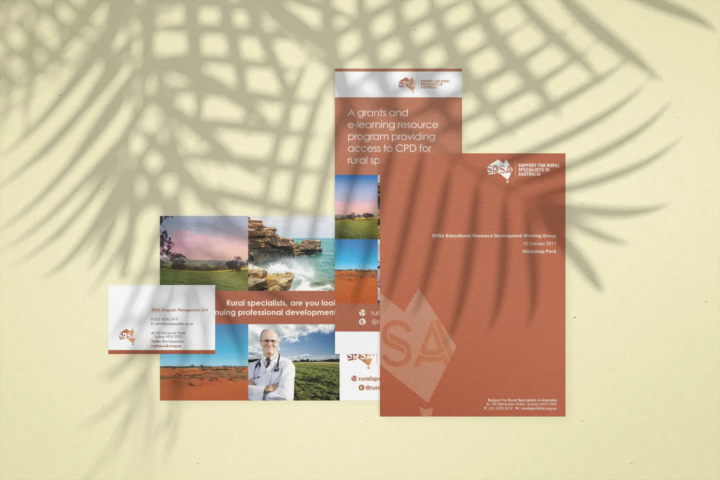
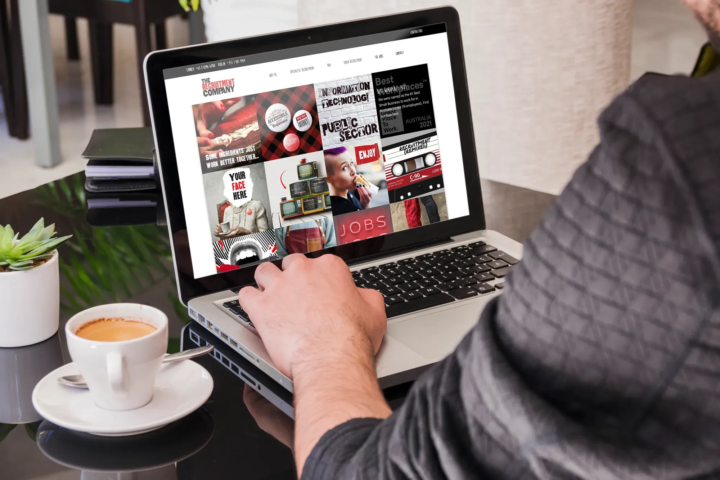
View some of the work we’ve done for our clients.
Our Proven 6-Step Process for Quantifiable ROI
Step 1: Diagnostic Assessment & Market Touchpoint Audit
The process starts by diagnosing the root cause of the stagnation or brand misalignment. Then mapping the current gap in market share, profit, or customer confusion.
Step 2: Strategic Positioning & Verbal Identity Development
This is the planning phase where you define the brand’s unique value proposition, clear strategic objectives, and brand positioning relative to competitors. This step improves market clarity, which is essential for increasing lead quality.
Step 3: Visual Identity Systems & Creative Asset Production
You translate the strategy into tangible assets, such as the Brand Style Guide and messaging frameworks. This ensures the design is not just creative, but strategically aligned with revenue goals.
Step 4: Brand Enablement & Consistency Rollout
The process includes executing a consistent communication plan across all customer touchpoints (website, social media, marketing collateral). This prevents inconsistent branding, which costs businesses sales.
Step 5: Define Measurable Outcomes (KPIs)
Before and during launch, you define the key performance indicators (KPIs) you will track. This shifts the focus from visual appeal to quantifiable results, ensuring the project has a clear, measurable business objective.
Step 6: Measure ROI: Trust, Value, and Growth
The final stage is measuring the impact by tracking the resulting business metrics. ROI is measured by metrics like:
- Higher perceived value (allowing for premium pricing).
- Reduction in customer churn and increase in customer loyalty.
- Sales growth and market share expansion.
Key Brand Development Services and Components
If you love what you see and are ready to grow, explore our core brand development services that help you manage your brand’s presence:
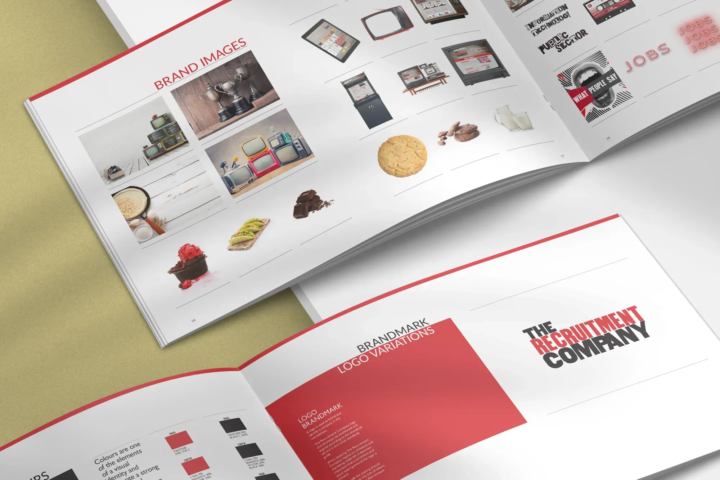
Our Success Stories
See the results of strategic brand development. Read client success stories here.


"We have worked with Brand for Brands (BFB) since the inception of our company Dorology in 2015 and we have been so impressed with their engagement, willingness to assist, responsiveness and collaboration.BFB has the perfect balance of being creative and business centric. They are genuinely interested in assisting us with our short to long term business goals which is why we partnered with them not only for the start-up phase of our company but for ongoing monthly support as our business grows and develops. They are easy to deal with and are the ‘go to’ team for our business. Well done BFB."
Nicole Dalla, Co-Founder - Dorology Gifts

"Mark and I would like to take this opportunity to thank you for doing a bl00dy awesome job. Your professionalism, talent & patience throughout our engagement is testament to what you represent and how you do it."
Katrina Macdermid, Co-Founder & Director - HIT Global

FAQs about Brand Development
Brand development is a multi-phase process that typically involves in-depth research, defining clear strategic objectives, planning brand positioning, creating a brand blueprint and executing a consistent communication plan to manage customer perception.
Brand development generates more sales by improving market clarity. It ensures your unique value proposition is clearly communicated to your audience, differentiates your product from competitors, and builds trust with the target audience, making the purchase decision easier.
Brand Development is the long-term, strategic management of the brand’s reputation and integrity (the what or the planning). Brand Marketing is the execution of promotional activities to drive short-term objectives (the doing or the action). Brand Development always guides the marketing effort or activity.
The cost of brand development is an investment that varies based on scope – whether you need full strategy definition, market research, or just specific visual assets. We tailor the project to fit your business goals and your budget.
The duration of a project depends on its depth. Defining a core strategy may take 4-6 weeks, while full implementation across all marketing collateral can take several months, depending on your goals and desired outcomes.
You should expect strategic and visual deliverables, including a comprehensive Brand Style Guide or a Brand Blueprint, finalised brand positioning documents, clear messaging and communication frameworks, and a plan for market implementation or ‘go-to-market’ strategy.
A Brand Style Guide is a reference document that governs the application of your brand. Essential components include rules for logo usage, specific color hex and CMYK codes, typography hierarchy, and guidelines for the brand’s tone of voice, photos and imagery.
Future-proofing involves building a scalable brand architecture and defining flexible messaging that can adapt to new digital channels, emerging technologies, evolving consumer behavior and ensuring the brand remains relevant without requiring a full overhaul.
The ultimate risk is losing market relevance, leading to customer confusion, price erosion, and losing market share to clearer, more strategically aligned competitors. Without further development, a brand will ultimately stagnate and fail to convert.
Brand Development is the continuous act of growth and refinement for any business. The transition to Rebranding occurs when the foundation itself is broken, outdated, or fundamentally misaligned with the company’s future – it signals a necessary overhaul, not just refinement.
Brand Development is evolutionary (managing the existing brands’ assets), while Rebranding is revolutionary (creating entirely new brand assets and a strategy to change fundamental market perception). Both require a strategic approach.
Brand Development generates quantifiable ROI by improving market clarity and trust, leading to metrics such as a higher perceived value (allowing for premium pricing), a reduction in customer churn, an increase in lead quality and ultimately an increase in sales or new business.